
When most people think of Thailand, their minds probably go to golden temples, bustling markets, or maybe a beach at sunset. But more often than not they also think of food. Rich, spicy curries and aromatic noodles. Thai food has become one of the country’s most recognisable and beloved exports, and not by accident.
Over the past two decades, Thailand has pulled off one of the most impressive rebrands in modern diplomacy. Where the country was once widely associated with sex tourism, it’s now seen as a global foodie destination. With warm, spicy and rich dishes paired with welcoming people and beautiful landscapes fit for family holidays. And at the heart of this transformation? A humble plate of Pad Thai.
The Soft Power of Street Food
Back in 2002, the Thai government quietly launched an initiative called the Global Thai Programme. The idea was simple but ambitious: increase the number of Thai restaurants around the world and use them as unofficial ambassadors of Thai culture. In other words, win hearts through stomachs.
The government offered support for Thai chefs and entrepreneurs to open restaurants abroad. They even designed restaurant templates and sent chefs overseas with training and branding materials. It wasn’t just about the food; it was about showcasing Thailand.
It worked. Thai restaurants popped up across the globe, bringing not just green curry and mango sticky rice, but also Thai values: hospitality, balance, attention to detail. These restaurants became windows into the country’s soul.
But this strategy goes back even further. In the 1930s, during a wave of nation-building, Thailand’s then-prime minister promoted Pad Thai as a national dish. It was easy to make, affordable, and crucially based on local ingredients like rice noodles, peanuts, and tamarind. The goal was to foster national pride and support Thai farmers. With time this simple dish became a global staple and synonymous with Thai cuisine.
Pad Thai
Pad Thai was created to change consumption habits in Thailand. It aimed to shift consumption away from rice which was a major export at the time, to using noodles which were cheaply made using domestic ingredients to boost local agriculture.
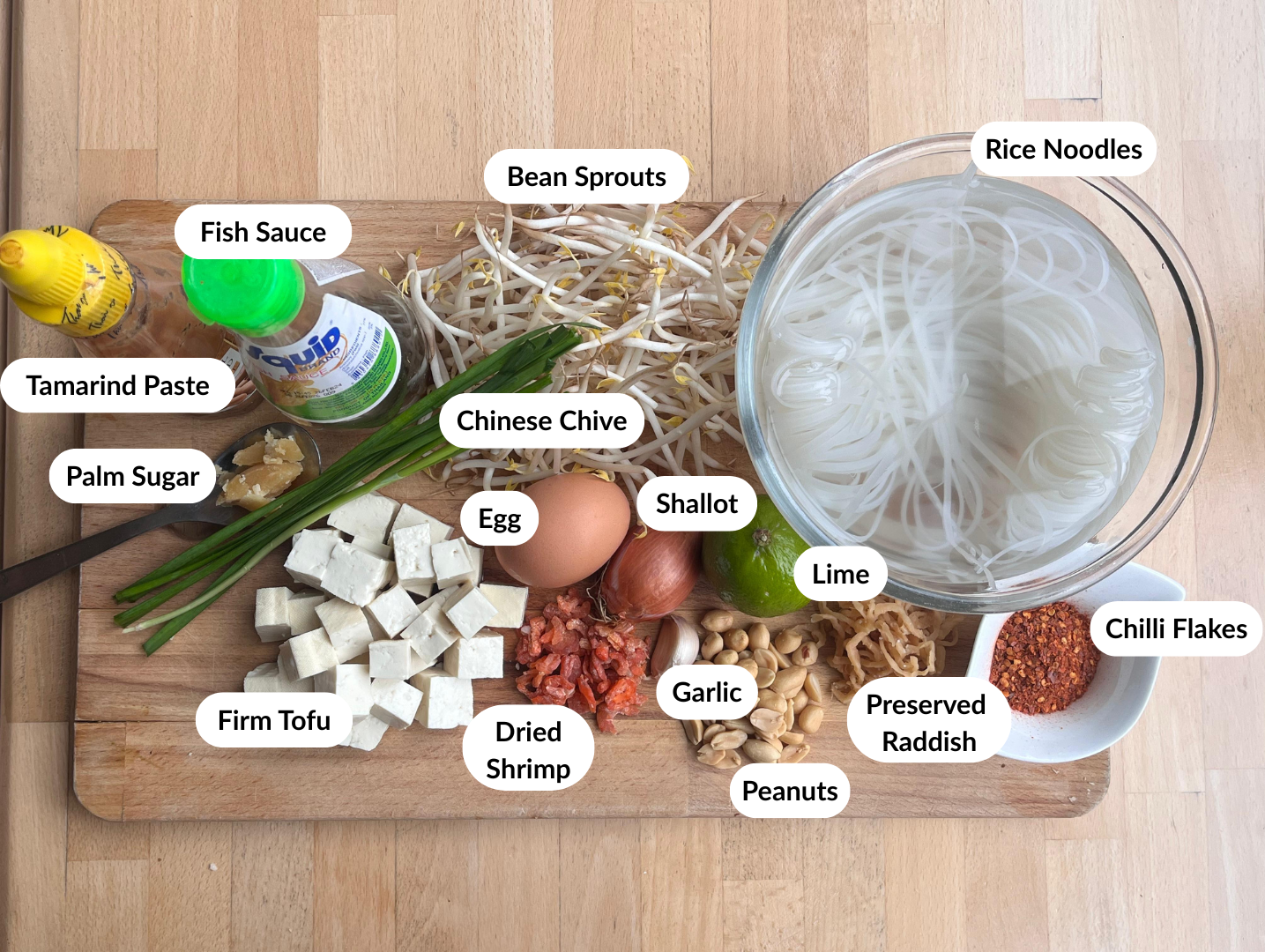
Pad Thai was originally made with tofu as the main source of protein due to its high nutritional value and its cheap cost. Combining other classic Thai flavours of tamarind, fish sauce, peanuts dried shrimp and lime it gained quickly in popularity. Now variations exist using more extravagant ingredients like chicken and prawns.
The naming of pad Thai came from the recently renamed Kingdom of Siam and was used to ingrain the new Thai identity. Thailand means land of the free and this dish accompanied this change.
Thanks to the vast amount of Thai and Asian supermarkets scattered across the globe pad Thai is easily made at home. Using mainly inexpensive ingredients and quick cooking time it’s an easy staple to prepare for a week night dinner.
What It Did for Tourism and Thai Farmers
Fast forward to today, pad Thai and Thai food in general among the most beloved cuisines in the world. This not only had a great impact on tourism and the image of Thailand, but it also had a huge impact on the Thai agricultural sector.
As more people fell in love with Thai food abroad, they started getting curious about the country itself. Gastro-tourism exploded. Tourists came not just for beaches and temples, but for food tours in Bangkok, cooking classes in Chiang Mai, and street food safaris in every corner of the country.
This was great news for tourism and even better news for Thai farmers. The global demand for Thai ingredients like jasmine rice, lemongrass, and coconut milk meant rural communities could tap into new export markets. And when tourists ventured out into the countryside to visit spice farms or rice paddies, local economies felt the benefits directly. Food became a bridge between urban and rural Thailand. More importantly it became a bridge between Thailand and the world.
What Other Countries Can Learn
So, can other countries do the same? Absolutely but it takes more than a great recipe.
Thailand’s success came from thinking long-term, investing in a clear cultural product. The authenticity of the product was the key to success. The food wasn’t watered down to please everyone. Instead, it stayed proudly Thai and that’s what made it stand out.
Importantly, Thailand didn’t have to rely on a large diaspora to spread its cuisine. That’s good news for smaller or less globally connected nations. It shows that with the right support and strategy, even a relatively small country can make a global splash.
The Thai model also highlights the importance of linking cultural exports with economic inclusion. When food diplomacy is done right, it doesn’t just boost tourism it supports farmers, empowers women, encourages sustainability, and brings global attention to local traditions.
In today’s world, national identity is often communicated less through flags and anthems, and more through what’s on the table. Thailand figured that out early and cooked up something truly powerful. Thai food represents the strong food culture in its region but with better branding than the others.
Leave a Reply